Brass in the Home: A Material Study
Liam Torres
Director of Materials
Brass has become the defining metal of contemporary luxury interiors. But not all brass is created equal, and how it is finished — or not finished — determines how it will look in five years.
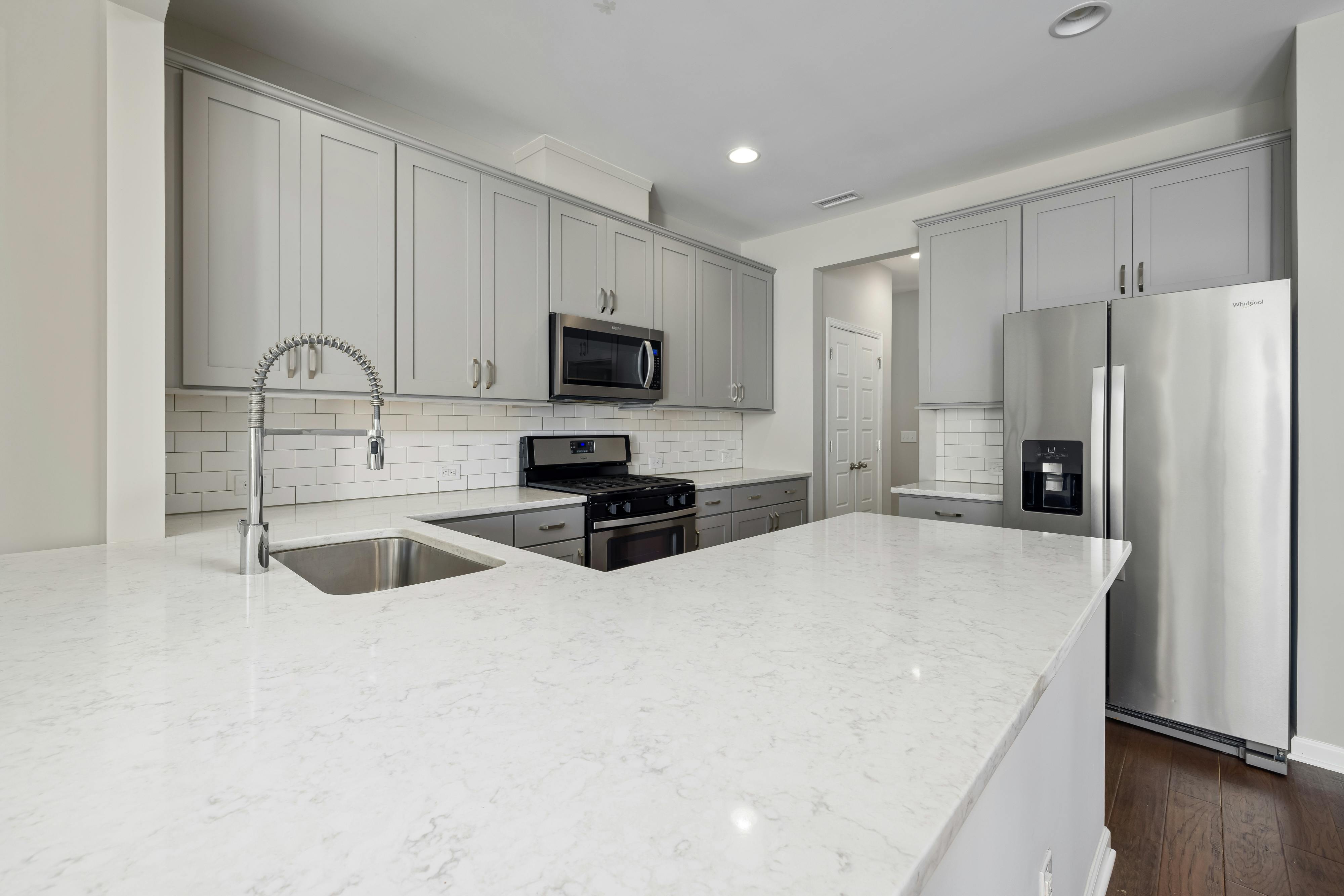
Unlacquered brass is our default. It arrives polished and bright, and over time it darkens and develops a patina. In a kitchen, the brass around the sink faucet will darken faster than the cabinet pulls, because it is handled more. This uneven ageing is precisely the point. The metal records the life of the room.
Lacquered brass stays bright. The clear coating prevents oxidation, but it also prevents the natural evolution of the material. It looks the same on year one as it does on year ten — which some clients prefer. We respect the preference but advocate for unlacquered.
Brass in small doses: cabinet pulls, faucets, light fixtures, shelf brackets. Brass in large surfaces: a backsplash, a range hood, a fireplace surround. The key is restraint. A little brass reads as intentional. Too much reads as a lighting catalogue.
We source our brass from a family foundry in northern Italy that has been casting since 1952. The alloy has a higher copper content than standard architectural brass, which gives it a warmer tone.
If you are considering brass, start with the hardware. Change your cabinet pulls, your door knobs, and your faucet. See how it feels. Chances are, you will want more.