The Art of the Kitchen Island
Sophia Chen
Lead Designer
The kitchen island has become the most important piece of furniture in the modern home. It is not merely a countertop — it is the hearth, the homework station, the cocktail party surface, and the morning coffee spot.
At Atelier Maison, we approach the island as an architectural object rather than an afterthought. Every island we design begins with a single question: how will this room be lived in at 7 am, 7 pm, and 2 am after a dinner party?
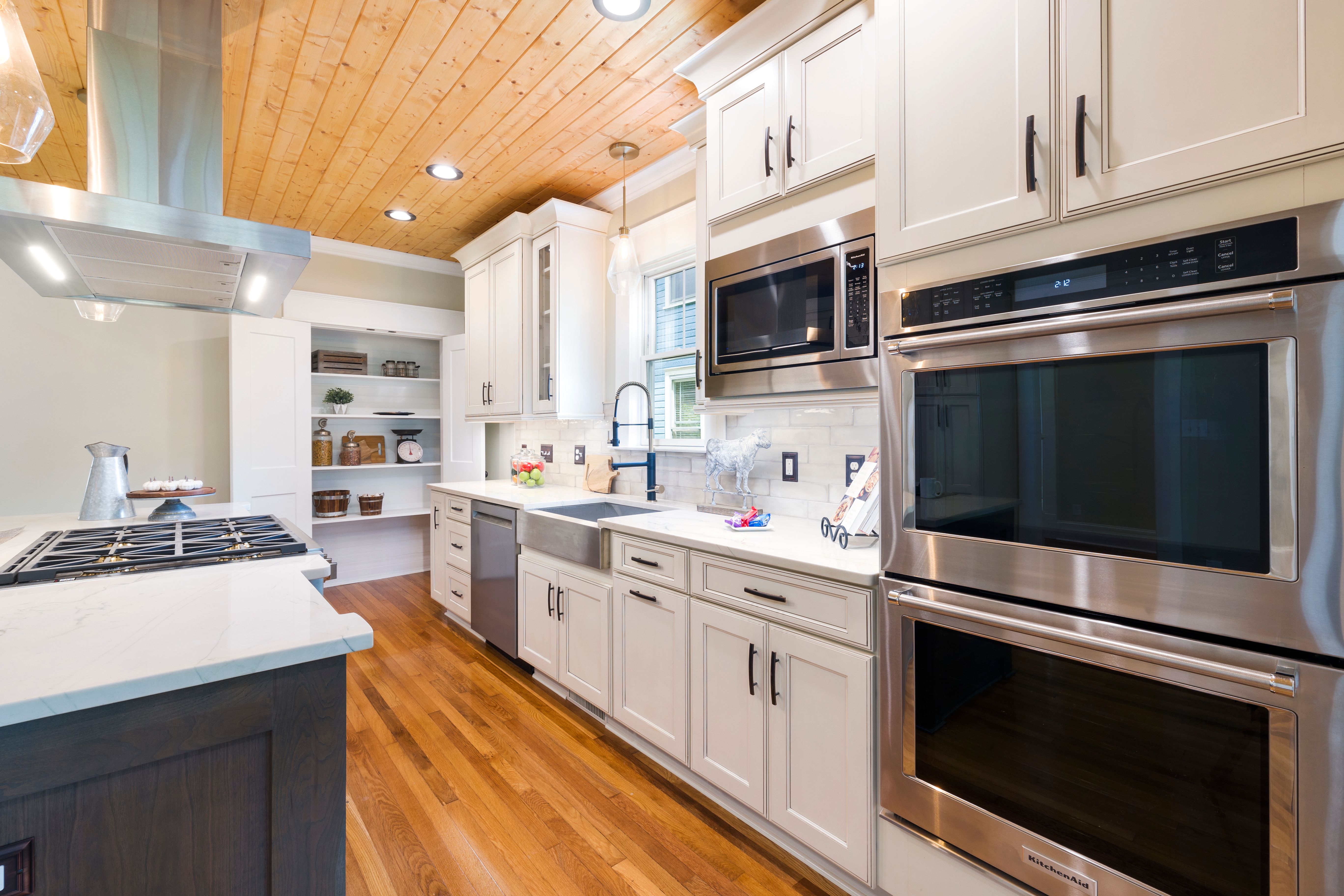
The proportions matter enormously. We typically allow 42 to 48 inches of clearance on all sides — enough for two people to pass comfortably behind someone seated at the counter. The overhang for seating should be a minimum of 15 inches, though 18 feels more generous.
Material selection sets the tone. Calacatta marble makes a quiet, luminous statement. Warm walnut introduces texture and softness. For families with young children, a leathered granite or a quartzite with movement offers durability without sacrificing beauty.
Storage is where most islands fail. We design for the way you actually cook: deep drawers for pots, shallow drawers for utensils, a concealed garbage pull-out, and — if space allows — a wine cooler or a microwave drawer.
The pendant lights above the island should be hung 30 to 36 inches above the countertop surface, spaced evenly across the length. We prefer hand-blown glass or patinated brass for warmth.
An island that works well becomes the room you gravitate to, not just the room you cook in. That is the goal.